

Therapy for Asian American Women in Los Angeles, CA
Specializing in Anxious Attachment, People-Pleasing, Imposter Syndrome, and Healing From Emotionally Unavailable Parents
Therapy in Los Angeles, California
You’ve spent your life doing everything right.
Working hard.
Being responsible.
Taking care of others.
Meeting expectations.
Being perfect.
Yet somehow, it still doesn't feel like enough.
Many Asian American women grow up learning that their worth comes from achievement, responsibility, and making others proud. Over time, this can lead to perfectionism, people-pleasing, self-doubt, and relationships that leave you constantly questioning yourself.
I help Asian American women stop believing their worth has to be earned.
My goal is to aid my clients in getting to the root of their problems, not just managing their symptoms.
My name is Andrea. I’m a therapist in Los Angeles California and I can help.
As someone who is both Asian and White and was primarily raised by my Asian parent within an Asian cultural environment, I understand many of the experiences that bring Asian American women to therapy. I know what it's like to grow up with high expectations, pressure to succeed, and the belief that mistakes are unacceptable. I also understand how emotionally unavailable parenting can leave lasting effects: creating patterns of people-pleasing, anxious attachment, and a constant feeling that you need to do more to be enough.
While every family and cultural experience is unique, many of my clients find comfort in working with someone who doesn't need those experiences translated or explained. My passion for helping Asian American women heal from anxious attachment, people-pleasing, emotionally unavailable parents, and imposter syndrome comes from both professional training and personal understanding of how these struggles can develop. My goal is to help you build a healthier relationship with yourself. One based on self-worth rather than performance, perfectionism, or external validation.
In our work together, you can expect honesty over empty reassurance, and warmth without judgment. I'll challenge the stories that no longer serve you, while making space for you to feel, not just function. Therapy with me isn't about becoming someone new. It's about finally feeling like yourself.
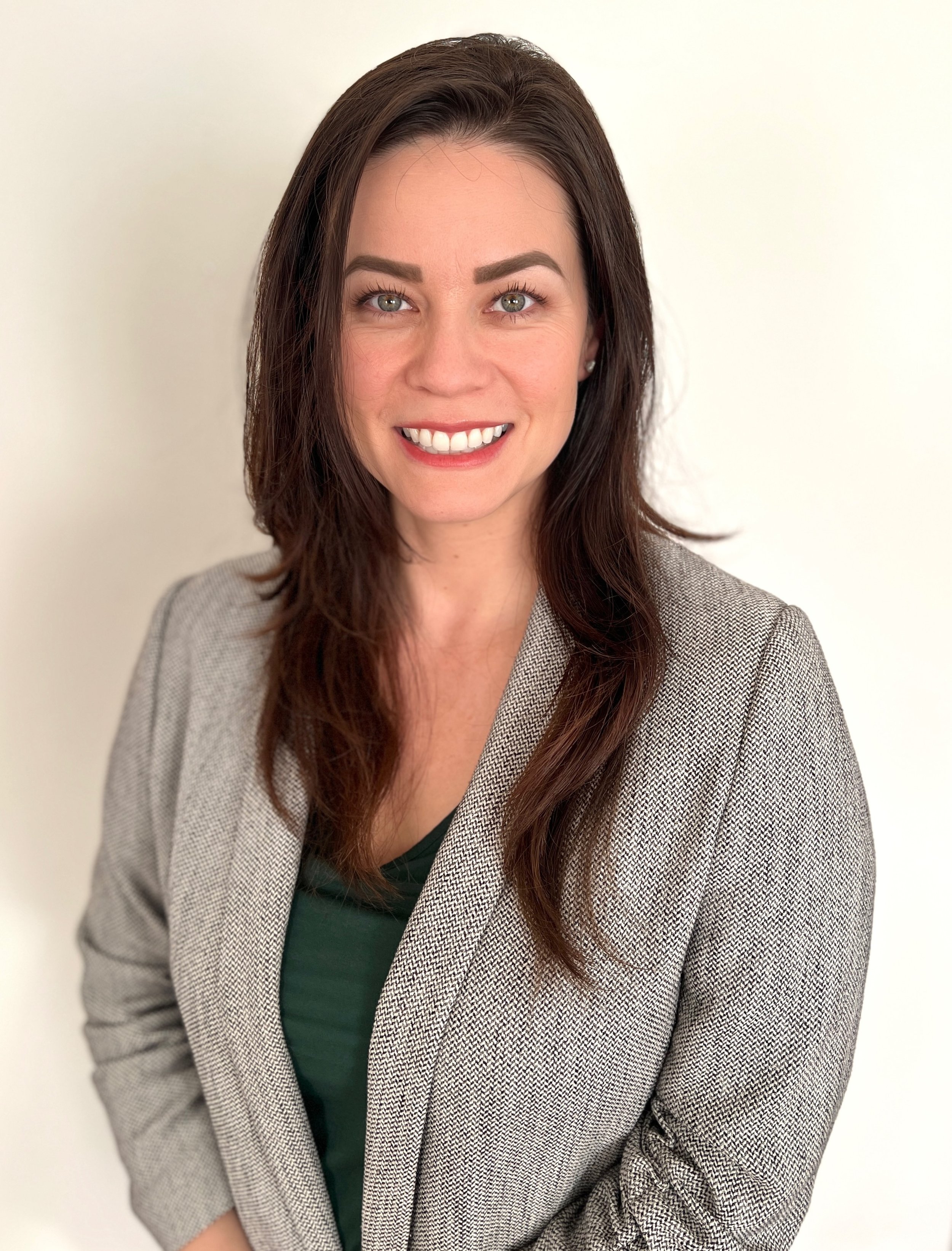
Andrea Vander Hyde, LMFT #123165
Therapist in Los Angeles, California
Specializing in Anxious Attachment, People-Pleasing, Imposter Syndrome, and those who had Emotionally Unavailable Parents
You don’t have to navigate this alone.
How I Can Help




If saying no feels impossible and your needs always come last, people-pleasing therapy helps you set boundaries without the guilt.
If closeness feels confusing, like you're always needing reassurance or bracing for distance… anxious attachment therapy can help you feel secure, not on edge.
If your success never quite feels earned, imposter syndrome therapy helps you trust what you've built and finally believe you belong there.
If love growing up always felt conditional or distant, this work helps you process that history so it stops quietly running your relationships now.
Reviews
“Very big THANKS for all the help you've given me in our previous sessions. Seriously, it has already made such a big difference and talking to you has been like talking to a friend!”
"I am so grateful for all the work we have done and for your questions that got my wheels turning. You are going to make such a positive impact on all you will serve in your career."
"The world is so lucky to have you amongst its healers. You are truly a gift and you will continue to make a difference in so many people's lives - as you have helped me immensely. For that I thank you wholeheartedly."
"I was nervous about seeing someone as I'm a therapist myself. I am forever grateful to have had you as my therapist. You have been fantastic in the last 10 months!"
Common Questions Before Starting Therapy
-
No. While I specialize in working with Asian American women, you do not need to be Asian American to benefit from therapy with me.
Many of the concerns I help clients with - such as perfectionism, anxiety, people-pleasing, relationship struggles, and low self-worth - can affect people from all backgrounds. My focus on Asian American women reflects a particular passion and area of expertise, but I welcome clients who feel connected to my approach and believe I may be a good fit for their needs.
-
Cultural values can offer a sense of connection, identity, and belonging. At the same time, some individuals may experience stress when they feel pressure to meet expectations around achievement, family roles, emotional expression, or responsibility to others.
For some Asian American women, this can contribute to anxiety, perfectionism, people-pleasing, difficulty setting boundaries, or feeling disconnected from their own needs.
Therapy provides a space to explore these experiences without judgment and to find ways of honoring both your values and your well-being.
-
Every person's experience is unique, but many Asian American women grow up navigating high expectations, pressure to succeed, strong family obligations, and messages about putting others' needs before their own.
As a result, many struggle with anxiety, perfectionism, people-pleasing, difficulty setting boundaries, low self-worth, burnout, and challenges in romantic relationships. Some may also feel caught between cultural values, family expectations, and their own personal goals.
Therapy can provide a space to explore these experiences, better understand yourself, and develop healthier ways of relating to yourself and others.
If you're ready for things to feel different, I'd love to connect.
You've spent long enough putting everyone else's needs first. I offer a free 15-minute consultation so you can get a feel for whether we're a good fit. No pressure, No commitment. If I'm not the right therapist for you, I'll help you find someone who is.
or